You're watching:
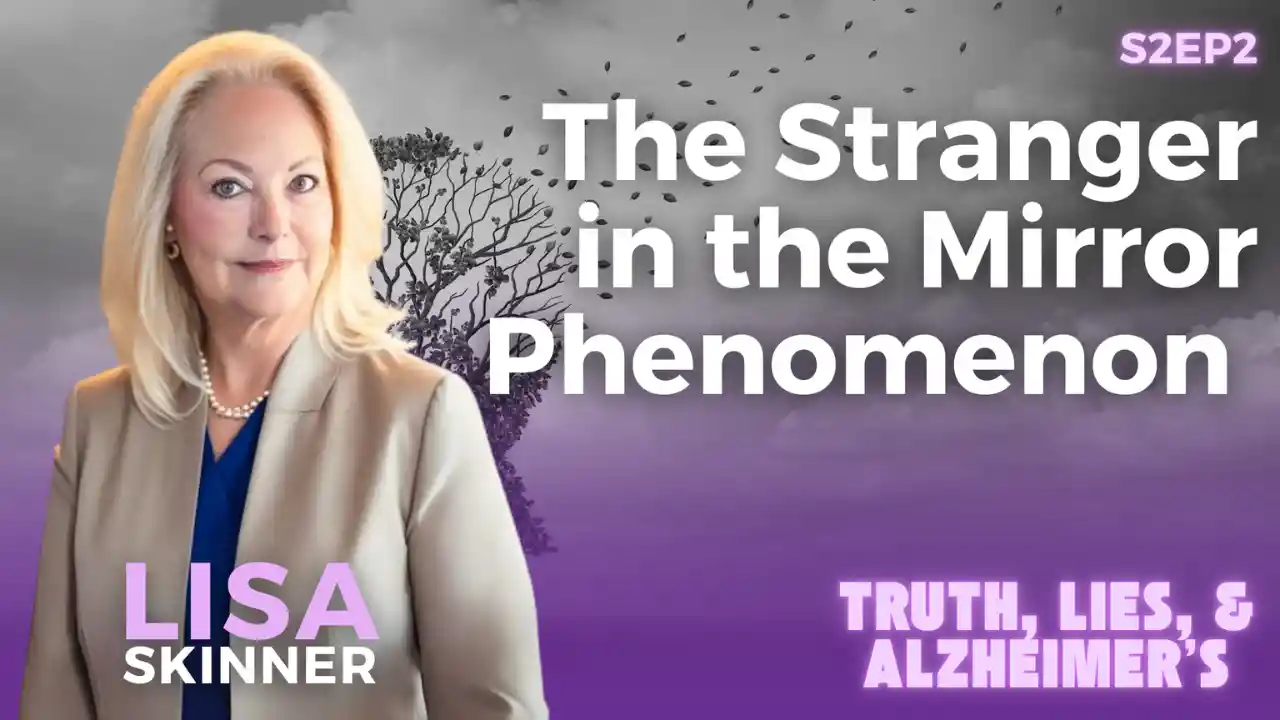
S2E2 - The Stranger in the Mirror Phenomenon
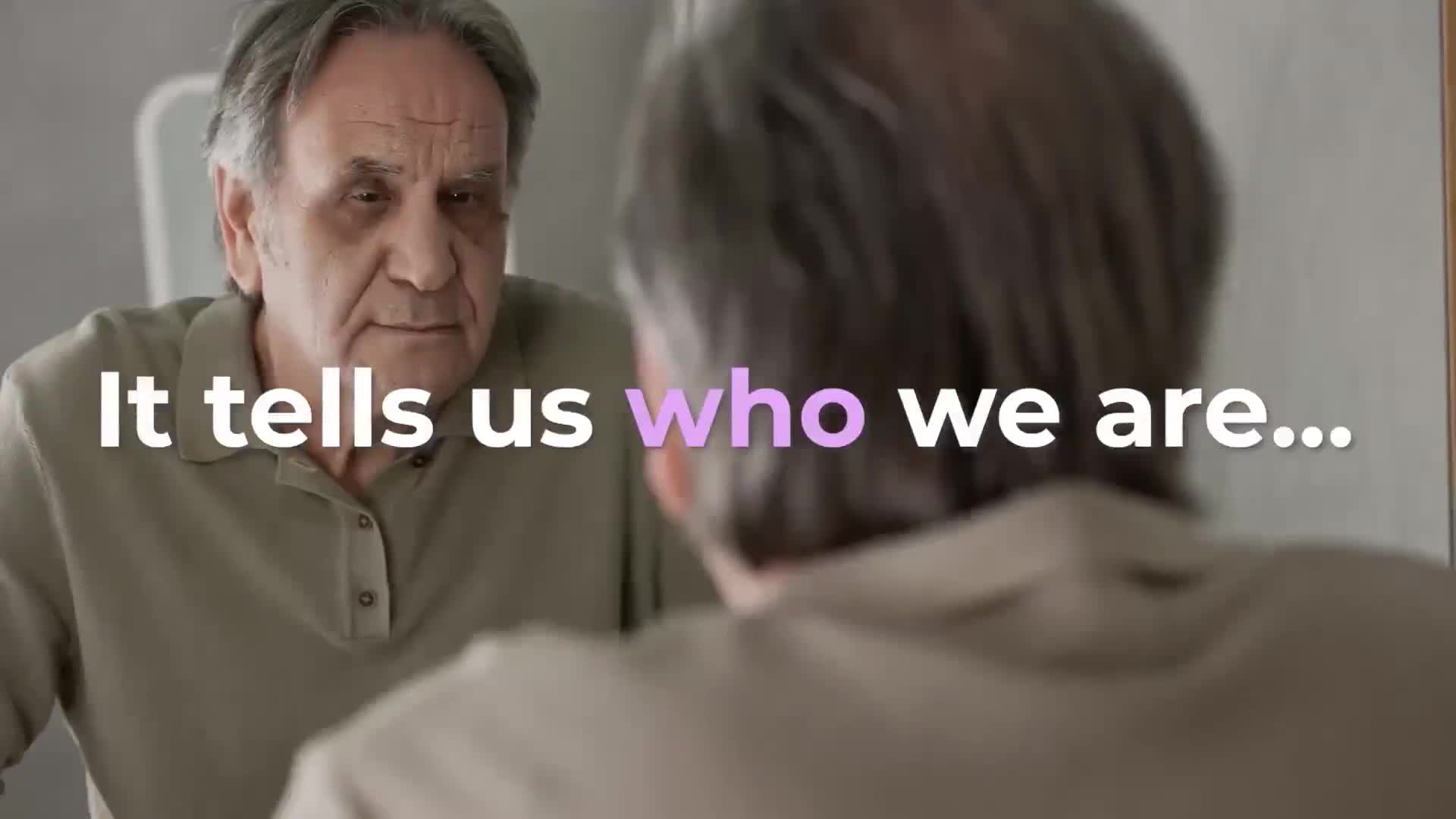
In this episode, we explore one of the lesser-known but deeply impactful experiences people living with dementia may face the “Stranger in the Mirror” phenomenon. This occurs when a person no longer recognizes their own reflection and instead believes they are seeing a stranger, a visitor, or even a new friend.
Through the true story of Harold and his wife, Nancy, we take a heartfelt and enlightening look at how this phenomenon appears in day-to-day life. Harold’s journey—complete with hallway conversations, shared cookies, and misplaced shoes—illustrates the complicated blend of memory loss, perception changes, and shifting self-identity that dementia often brings.
We break down:
What the “stranger in the mirror” phenomenon is and why it occurs
How dementia affects self-recognition, perception, and visuospatial processing
Why mirrors can trigger confusion, fear, or unexpected interactions
How caregivers can respond with compassion, understanding, and safety in mind
What environmental and communication strategies can ease distress
Listeners and viewers will also learn practical, actionable tools for navigating these moments, including how to adjust the environment, reduce triggers, create emotional safety, and “join their reality” when appropriate.
This episode offers:
A relatable real-life story that captures the emotional core of dementia caregiving
Clinical insights into mirror misidentification and related cognitive changes
A clear explanation of contributing neurocognitive and environmental factors
Communication approaches caregivers can use to reduce fear and frustration
An environmental checklist to help create a more supportive care space
Guidance on when to seek additional medical evaluation or professional support
The Stranger in the Mirror phenomenon isn’t just about misrecognizing a reflection—it’s about the profound ways dementia reshapes identity, memory, and perception. By understanding what is happening beneath the surface, caregivers can respond with the patience, empathy, and reassurance their loved ones truly need.
Resources Mentioned
Insights and story content adapted from caregiver experiences and dementia research.