You're watching:
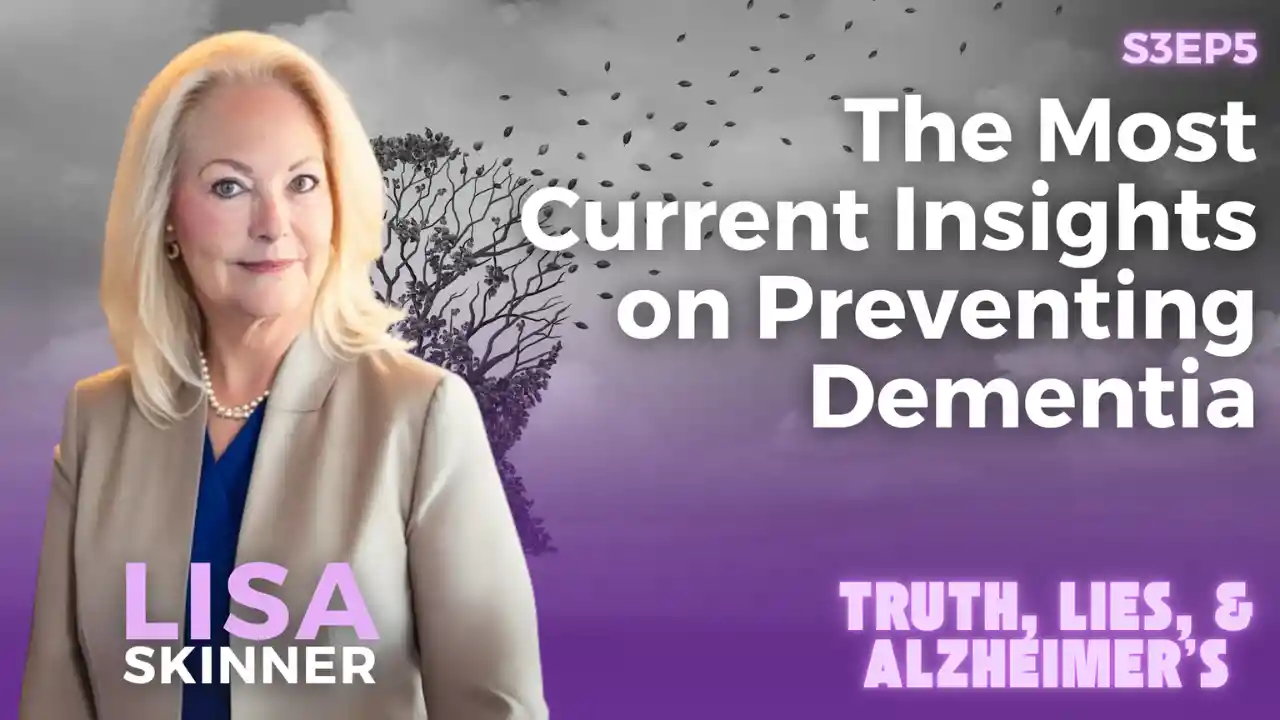
S3 E5 - The Most Current Insights on Preventing Dementia
In this episode, Lisa dives into the latest research and evolving understanding of dementia prevention—offering hope, clarity, and actionable insight for caregivers and families.
While there is still no cure for Alzheimer’s or other dementias, emerging research shows that a significant portion of cases may be preventable. In fact, studies suggest that up to 45% of dementia cases could be reduced by addressing key lifestyle and health factors.
Lisa breaks down what this means in real life—moving beyond fear and into informed, proactive care.
What You’ll Learn in This Episode
Dementia Risk Is More Influenced Than You Think
Dementia is not simply a result of aging
Lifestyle, environment, and health conditions all play a role
Understanding risk factors empowers better decisions earlier
The 14 Modifiable Risk Factors
Lisa walks through the most important areas that may impact cognitive decline, including:
Hearing and vision loss
High blood pressure and cholesterol
Physical inactivity
Smoking and alcohol use
Social isolation and depression
These factors highlight that prevention is not one single action—it’s a combination of habits and conditions over time.
Why Structure Matters More Than Intention
One of the most important insights discussed is that:
Knowing what to do is not enough
Structured programs and consistent routines lead to better outcomes
Accountability and support significantly improve long-term success
This shifts the conversation from “trying harder” to building systems that actually work.
New Advances in Early Detection
Lisa also explores groundbreaking developments in dementia research, including:
Blood biomarkers like p-tau217
Earlier identification of Alzheimer’s-related changes
A shift toward proactive, earlier intervention
These advancements may allow individuals and families to take action sooner than ever before.
The Brain-Body Connection
Cognitive health is deeply tied to overall health. In this episode, you’ll hear how:
Heart health impacts brain health
Managing conditions like diabetes and hypertension matters
Daily habits influence long-term cognitive outcomes
Key Takeaways
Dementia is not inevitable—there are ways to reduce risk
Small, consistent lifestyle changes can have a meaningful impact
Structure and support are critical for lasting change
Early awareness and proactive steps can shift outcomes
Final Thought
This episode is a powerful reminder that while we may not control everything, there is more within our control than we once believed. Through awareness, consistency, and informed choices, we can take meaningful steps toward protecting cognitive health—for ourselves and those we love.
Key Research & Reports
The Lancet Commission on Dementia Prevention
Highlights that up to 45% of dementia cases may be preventable by addressing modifiable risk factors.
U.S. POINTER Study (2025–2026)
Demonstrates the effectiveness of structured lifestyle programs in reducing cognitive decline risk.
Organizations & Educational Resources
Alzheimer’s Association
www.alz.org
Offers education, support, and the latest statistics on Alzheimer’s and dementia.
Alzheimer’s Foundation of America
www.alzfdn.org
Provides free virtual memory screenings and caregiver resources.
Medical & Scientific Insights
Research on p-tau217 blood biomarkers for early Alzheimer’s detection
FDA-cleared test: Lumipulse G pTau217/β-Amyloid 1-42 Plasma Ratio
Supports earlier identification of Alzheimer’s-related brain changes (used alongside other diagnostic tools).
#AlzheimersAwareness#DementiaCare #BrainHealth #CognitiveHealth#DementiaPrevention #HealthyAging #CaregiverSupport #CaregiverLife#MemoryCare#AgingWell#DementiaEducation#AlzheimersSupport#PreventativeHealth#MindAndBody#SeniorCare