You're watching:
S3E12 - Emotion Driven Decisions DESTROY Businesses — Why “Gut Instinct” is Costing You Millions
You’re not failing in business because you lack skill — you’re failing because you keep making decisions from desperation, not discipline. Write the check, ignore the gut, and you’ll pay for it in time, money, and regret. This episode isn’t just another “avoid mistakes” playbook — it’s an explosive reality check that will obliterate your trust in emotion as a business tool.
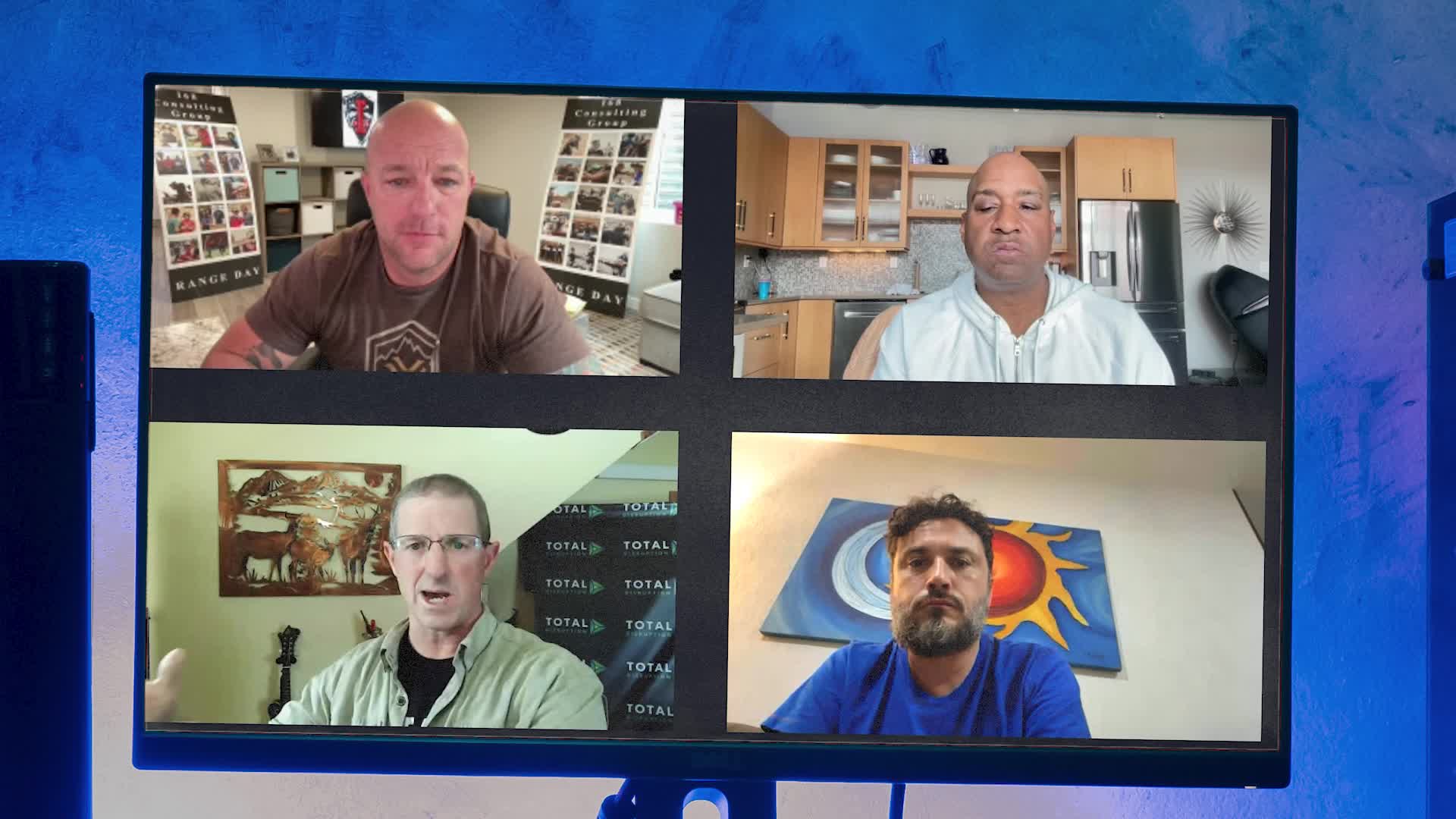
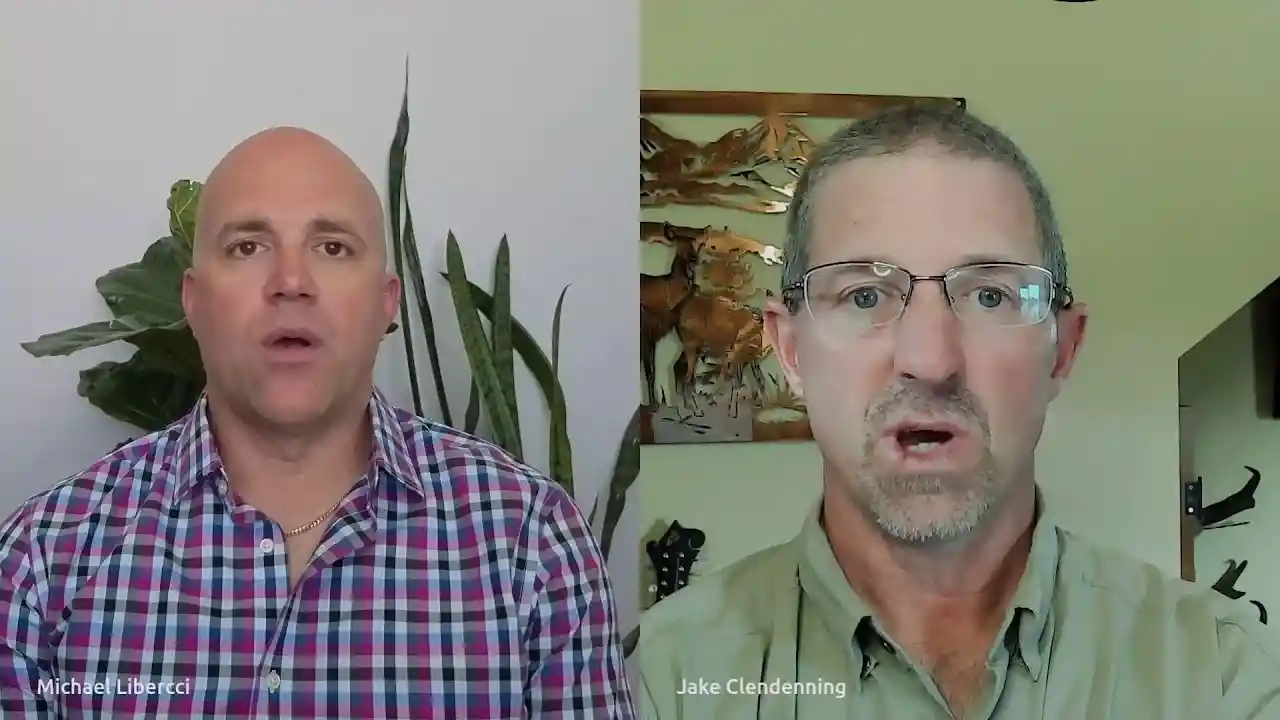
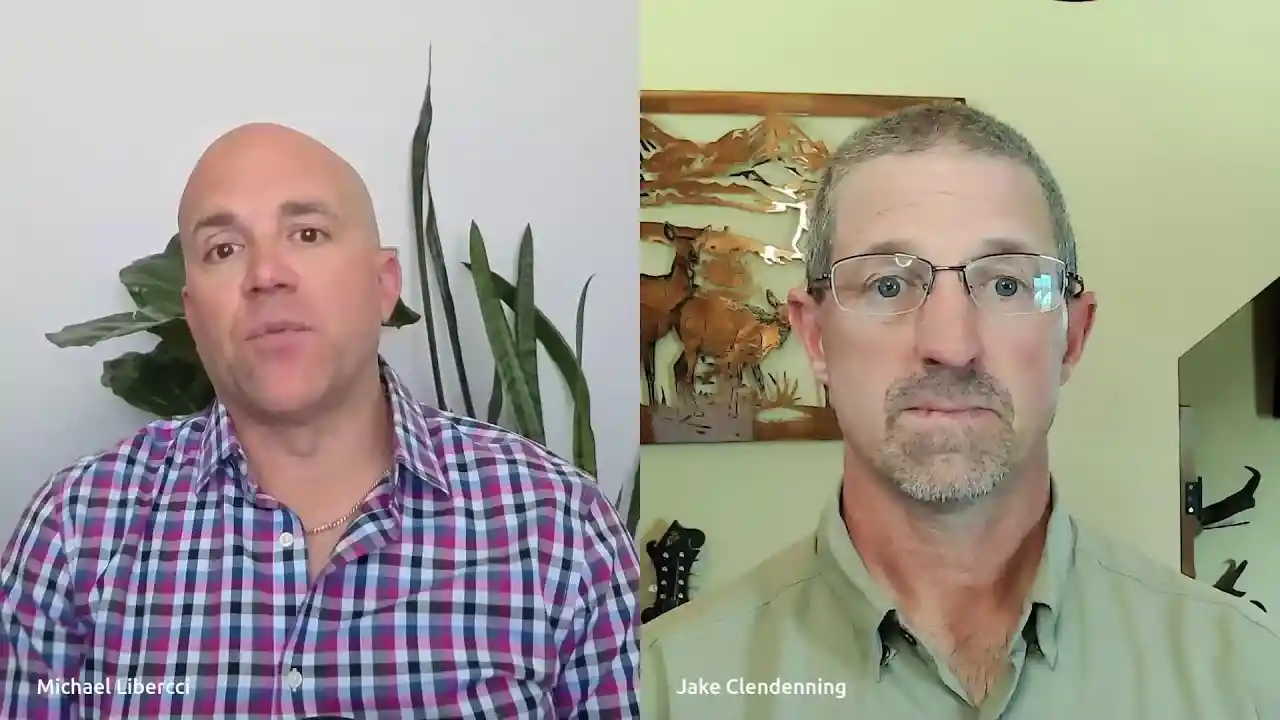
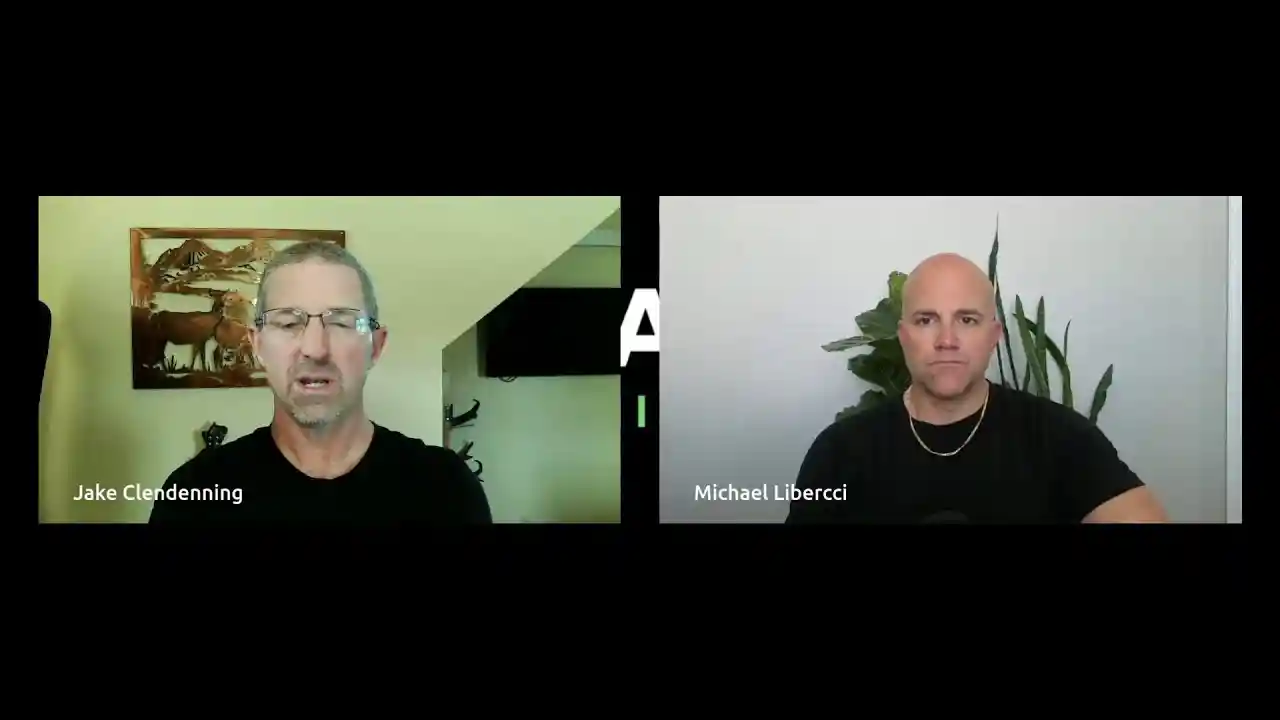
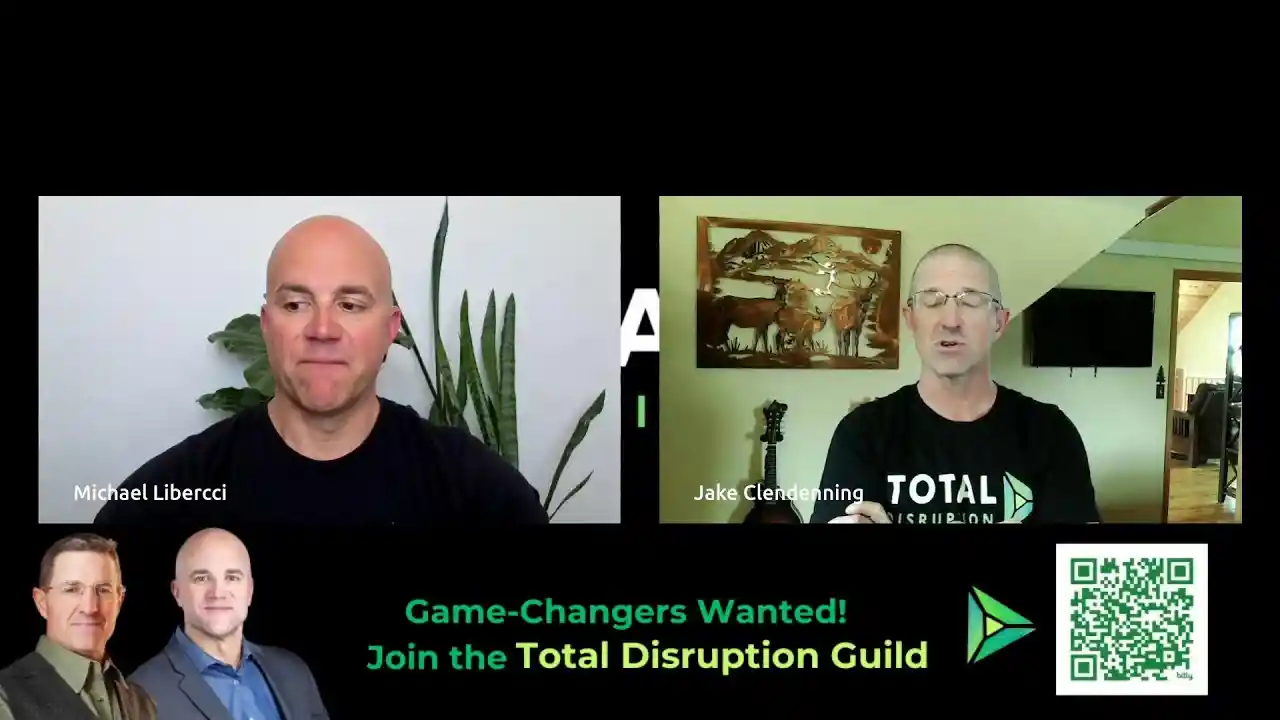
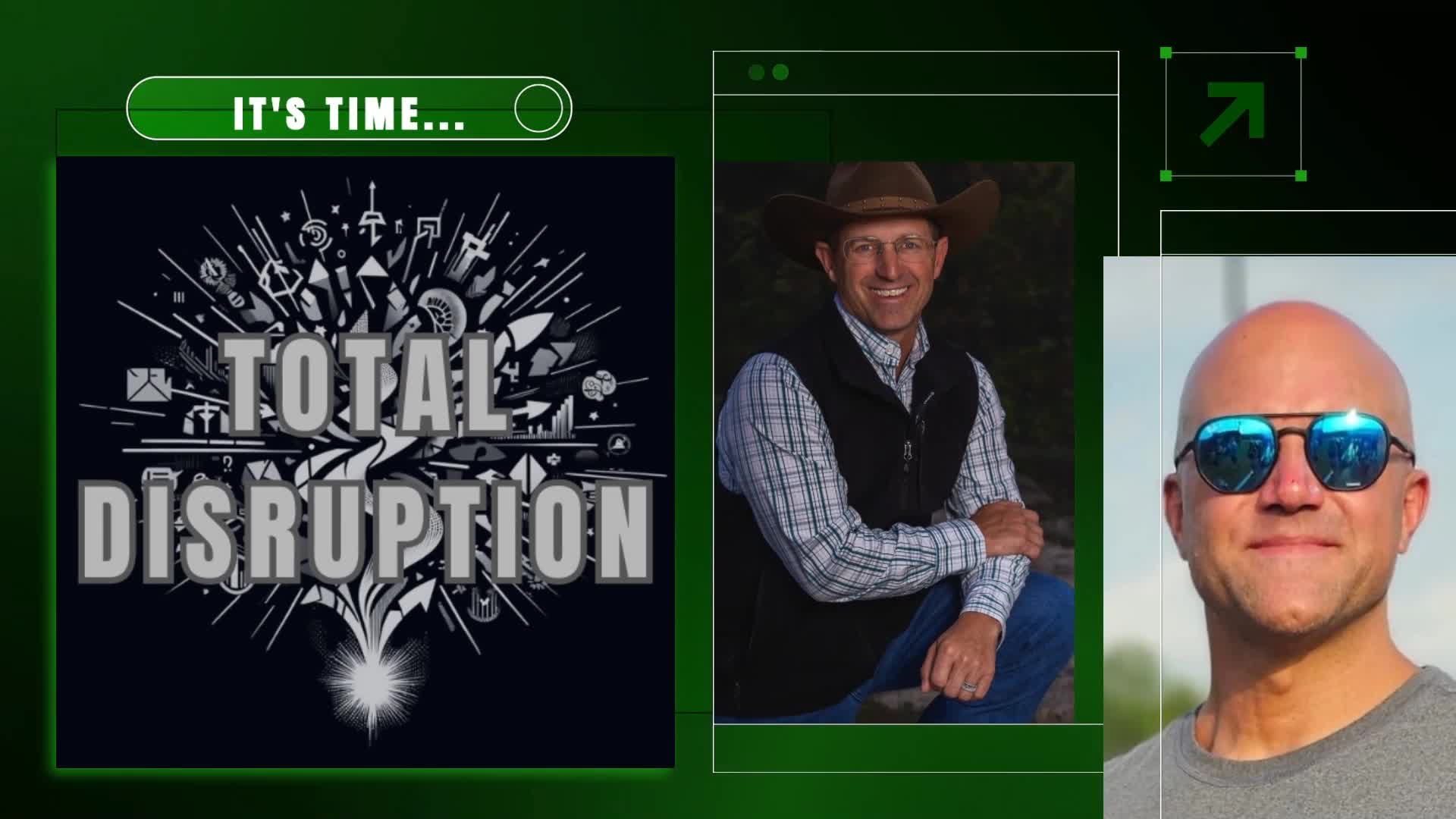
Total Disruption, hosted by bestselling author and business authority Jake Clendenning and the relentlessly direct Michael Libercci, cuts through the noise on negotiation, investment, and why most “opportunities” are traps that cost you everything.
The central argument exposed in this episode is simple: Entrepreneurs who make business decisions based on emotional impulse — especially during sales pitches or in moments of pain — have a near 100% chance of wasting their investment and repeating the same failures. The myth of “gut instinct” as a trustworthy compass is not just false — it’s dangerous. The only way to dominate in business, negotiation, and partnership is through disciplined, unemotional analysis, a clear benchmark for value, and brutally honest mentorship.
This is not just another episode about vetting investments. Jake Clendenning and Michael Libercci break down the core principle that informed, detached decision-making is the ultimate competitive edge. Every dollar, every relationship, every so-called opportunity must be put through the filter: “Would I pay this and do the work myself — and what is the worst-case reality if I’m wrong?” Mastering this filter separates true builders from forever-struggling “idea chasers.” Any other approach is a commitment to mediocrity — or worse, bankruptcy.
[KEY INSIGHTS]
• Emotion is an Entrepreneur’s Enemy: Business decisions made in heightened emotional states lead to poor investments, lost time, and self-deception. Superior entrepreneurs step back and attack decisions with a tactical, practical mindset.
• Gut Instinct Is NOT Due Diligence: Relying on instinct over data and clear standards is not courage — it’s laziness with a hero complex. The best avoid wreckage by defining the actual value and deliverables before writing checks.
• The High Cost of “Pie in the Sky” Thinking: Every entrepreneur eventually gets burned by overpromising partners or seductive offers. The lesson isn’t to stop risking, but to enforce extreme clarity and demand transparency before committing resources.
• Time and Experience ARE the Value: Experts and service providers aren’t selling 15 minutes of work — they’re selling decades of refined execution. Paying for real experience shortcut years of mistakes, but only if the deliverables and expectations are honest and exact.
• Mentorship and Role Models Are Mandatory: True progress requires people willing to challenge your assumptions, ask brutal “what if this fails” questions, and reveal blind spots. If you can’t call someone who demands honesty, you’re not an entrepreneur — you’re a gambler.
• Reject Clients Who Don’t See the Opportunity: If a potential client doesn’t recognize value up front — and must be convinced — run. The best relationships are built on shared clarity, not persuasion and post-hoc justification.
• Opportunity Isn’t Always a Gift: That “big break” is often just an ugly mess in disguise. Real leaders don’t jump at every shiny offer — they evaluate the cost, risk, and payoff with cold-eyed discipline.